 11
11
Bringing plants into your home is one of the simplest and most effective ways to refresh your living space. Not only do plants add a pop of color and life, but they can also improve air quality and create a more relaxing environment. Whether you have a green thumb or are just starting out, incorporating plants can transform your home into a vibrant, welcoming haven.
In this post, we’ll explore how to choose the right plants, creative placement ideas, and tips to keep your indoor garden thriving.
Plants offer more than just aesthetic value. Here are some benefits of inviting greenery into your living space:
– Improved air quality: Many houseplants can filter harmful toxins and release fresh oxygen.
– Enhanced mood: Caring for plants can reduce stress and add a sense of calm.
– Natural decor: Plants complement any design style with their organic shapes and colors.
– Increased humidity: Indoor plants can help balance dry air, especially in winter.
With all these perks, it’s clear that plants are a great addition to any home.
Selecting plants that suit your environment and lifestyle is key to success.
Plants have different light needs, so assess the natural light in your rooms:
– Bright, direct light: South-facing windows are perfect for sun-loving plants like succulents and cacti.
– Moderate, indirect light: East or west-facing windows can support plants such as pothos, spider plants, and peace lilies.
– Low light: North-facing windows or dim corners work well for snake plants, ZZ plants, or philodendrons.
If you’re new to plant care, choose low-maintenance varieties. Here are some beginner-friendly options:
– Snake plant
– Pothos
– ZZ plant
– Spider plant
– Aloe vera
These are generally hardy, forgiving, and don’t require frequent watering.
Consider how much space you have and whether you want small tabletop plants or large floor-standing varieties like fiddle leaf figs or rubber plants.
Once you’ve selected your plants, think about displaying them in ways that enhance your decor.
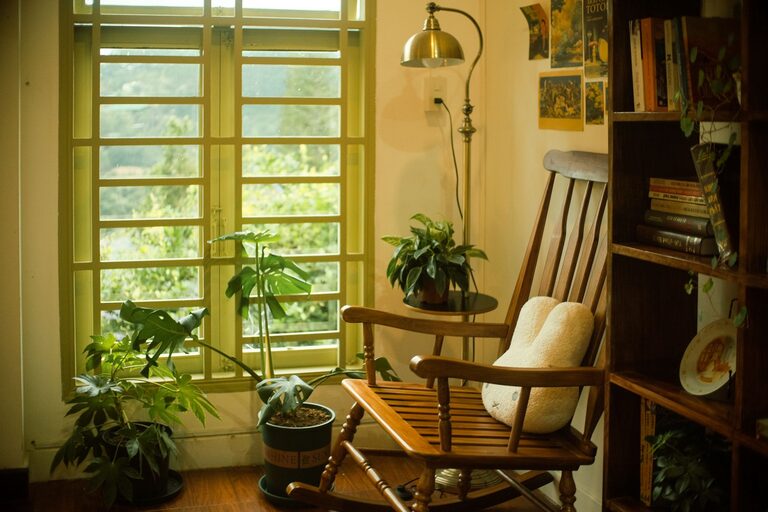
Elevate your plants on stands or floating shelves to create layers and add visual interest. Grouping multiple plants together can create a mini indoor garden effect.
Hanging planters are perfect for trailing plants like ivy or string of pearls. They also add a dynamic element by using vertical space, ideal for small rooms.
Place small plants in decorative pots on desks, kitchen counters, or bathroom shelves. Herbs in the kitchen can be both pretty and useful.
Windowsills are perfect spots for sun-loving plants. Arrange a variety of pots to maximize the view and natural light.
To keep your indoor garden thriving, follow these simple care tips:
– Water appropriately: Overwatering is a common mistake. Check your plant’s specific requirements and water only when the top inch of soil feels dry.
– Use proper soil: Choose potting mix suited for your plant type, such as cactus soil for succulents.
– Provide drainage: Make sure pots have drainage holes to prevent root rot.
– Fertilize occasionally: Feed plants during growing seasons with a balanced fertilizer.
– Clean leaves: Dust plant leaves regularly to keep them healthy and allow for better photosynthesis.
Changing your plant arrangements with the seasons can keep your home feeling fresh year-round.
– Spring: Introduce flowering plants like orchids or African violets.
– Summer: Add tropical plants with bold foliage.
– Fall: Swap in warm-toned pots or plants with autumnal leaves.
– Winter: Use evergreens and hardy plants to bring life indoors during colder months.
Refreshing your home with plants is an enjoyable and rewarding way to boost your space’s look and feel. Start small, choose plants that fit your environment, and get creative with display ideas. With a little care, your new indoor garden will flourish and bring natural beauty to your everyday life.
Happy planting!