 11
11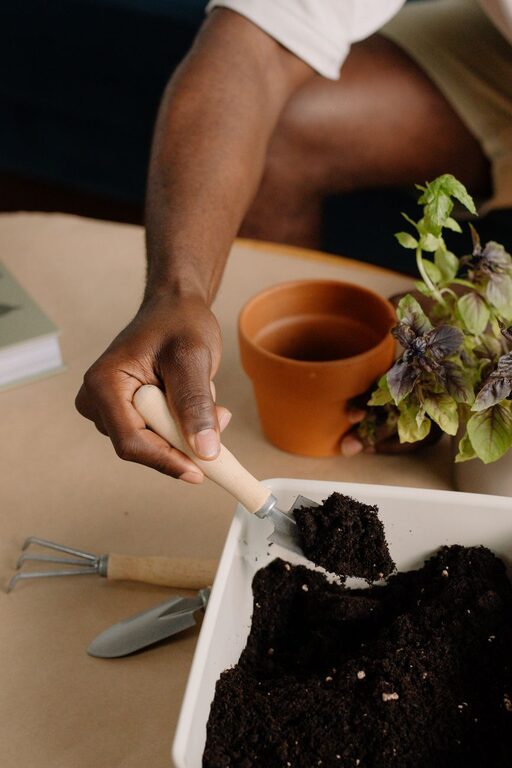
Bringing a small herb garden indoors is a wonderful way to enjoy fresh flavors year-round and add a touch of green to your living space. Whether you have limited outdoor space or just want the convenience of homegrown herbs by your kitchen, starting an indoor herb garden is simpler than you might think.
In this guide, we’ll walk you through everything you need to know—from choosing the right herbs and containers to providing ideal growing conditions and caring for your plants.
Growing herbs indoors offers several benefits:
– Freshness: Pick herbs right before cooking for the best flavor.
– Convenience: Have your favorite herbs within arm’s reach.
– Aesthetics: Indoor plants brighten up any room.
– Year-round growth: Grow herbs even when outdoor gardening season ends.
Some herbs thrive better indoors due to their light and space needs. Here are some beginner-friendly options:
– Basil: Loves warmth and sunlight; great for Italian dishes.
– Parsley: Hardy and can tolerate varying light conditions.
– Chives: Requires moderate light and adds a mild onion flavor.
– Mint: Grows quickly and prefers indirect light.
– Thyme: Needs full sun and well-drained soil.
– Oregano: Thrives in warm environments with good light.
Consider what herbs you use most often in your cooking to help decide which to grow.
When selecting containers, keep these tips in mind:
– Size: Choose pots that are at least 4-6 inches deep to accommodate root growth.
– Drainage: Ensure containers have drainage holes to prevent waterlogging.
– Material: Terracotta pots are breathable and help avoid overwatering, but plastic pots are lighter and retain moisture better.
– Style: Pick containers that match your home décor to make your herb garden a pleasant visual feature.
Using individual pots or a shallow tray with separate sections are both great options.
Opt for a well-draining potting mix formulated for indoor plants rather than garden soil. Good potting soil keeps herbs healthy by providing sufficient nutrients and preventing root rot. You can find pre-mixed potting soil with added perlite or vermiculite for drainage.
Most herbs need 6-8 hours of sunlight daily, so placing them on a south or west-facing windowsill is ideal. If natural light is limited, consider these options:
– Grow lights: Use LED or fluorescent lights to supplement light for at least 12-16 hours a day.
– Rotate plants: Turn pots regularly to ensure all sides get light.
– Avoid drafts: Keep herbs away from cold drafts or heating vents.
You can start your indoor herb garden from seeds or buy small starter plants from nurseries.
– Fill containers with potting mix.
– Plant seeds according to the packet instructions (usually about twice as deep as the seed size).
– Keep the soil moist but not soggy.
– Cover with plastic wrap or a clear lid to create a humid environment until seeds sprout.
– Remove the cover once seedlings emerge.
– Gently loosen roots before planting.
– Place herbs in their new pots with fresh soil, firming it lightly around the roots.
– Water immediately after planting.
– Check soil moisture by sticking your finger about an inch deep.
– Water when soil feels dry but avoid overwatering.
– Use room temperature water.
– Ensure excess water drains away; never let herbs sit in standing water.
– Use a balanced, water-soluble fertilizer every 4-6 weeks.
– Avoid over-fertilizing, which can reduce flavor intensity.
Regular pruning encourages bushier growth and prevents herbs from becoming leggy.
– Harvest leaves from the top to promote branching.
– Avoid removing more than one-third of the plant at a time.
– Remove any yellowing or dead leaves promptly.
– Use clean scissors or pinch off leaves with your fingers.
– Leggy plants: Usually due to insufficient light. Move herbs to a sunnier spot or add grow lights.
– Yellow leaves: Could be overwatering or lack of nutrients.
– Pests: Look for tiny insects like aphids or spider mites and wipe leaves with mild soapy water.
– Rotate plants weekly to ensure even growth.
– Mist herbs occasionally if the air is very dry.
– Repot herbs if they outgrow their containers.
– Experiment with different herb varieties to discover what suits your home best.
Starting a small herb garden indoors is an enjoyable and rewarding project. With the right plants, containers, and care, you can have fresh herbs all year round, right at your fingertips. Whether you’re cooking, decorating, or just looking for a green hobby, growing herbs indoors is a fantastic way to bring nature closer to home.
Happy gardening!