
 11
11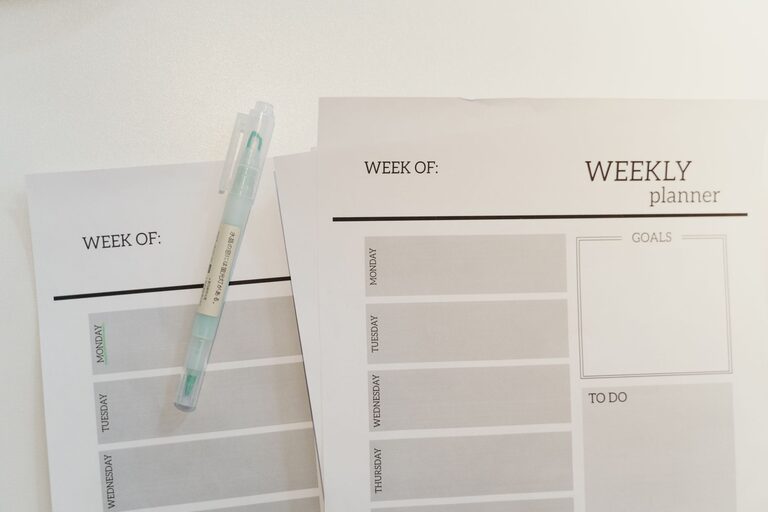
Setting realistic weekly goals is a powerful way to boost your productivity, manage your time effectively, and maintain motivation throughout the week. When goals are clear and achievable, you’re more likely to stay focused and feel satisfied with your progress. However, setting goals that are too ambitious or vague can lead to frustration and burnout. In this post, we’ll explore how to set realistic weekly goals that help you get more done while keeping stress at bay.
Weekly goals provide direction and a sense of purpose. Instead of feeling overwhelmed by a long to-do list, you focus on manageable chunks of tasks within a fixed time frame. Weekly goals also allow for flexibility, giving you the chance to adjust priorities based on what’s most important or urgent.
Additionally, breaking your bigger objectives into weekly milestones makes it easier to track progress and celebrate small wins. This ongoing momentum can keep motivation high and reinforce good habits.
Start by considering your larger goals—whether they’re related to work, personal growth, health, or hobbies. What important projects or milestones do you want to reach this month or quarter? Weekly goals should serve as stepping stones toward these bigger aims.
For example, if you want to complete a writing project, your weekly goal might be to draft 1,000 words or finish one chapter. Keeping the big picture in mind helps avoid goals that don’t contribute meaningfully to your priorities.
Before choosing your goals, realistically evaluate how much time you can dedicate each day or week. Consider work, family, and other commitments to understand your true availability. This helps prevent overloading your schedule.
A helpful tip is to block out specific hours for focused work and breaks using a calendar or planner. Knowing your time limits encourages you to set only those goals you can genuinely handle.
Vague goals are hard to track and achieve. Instead, define your weekly goals clearly and make them measurable. Use numbers, deadlines, or concrete outcomes.
For example, instead of “exercise more,” aim for “exercise 30 minutes, 4 times this week.” Instead of “improve website,” try “update 3 product pages and test checkout process.”
Sometimes a weekly goal can seem large or intimidating. Break it down into smaller tasks to make steady progress. This also helps you organize your days and prevents procrastination.
For instance, if your goal is to “prepare a presentation,” your tasks can include researching content, creating slides, and practicing delivery over several days.
Not all goals carry the same urgency or importance. Determine which goals must be accomplished this week and which can wait. Prioritizing helps you focus energy on what truly matters.
Try categorizing your goals into:
– Must do
– Should do
– Could do
Aim to complete all “must do” goals before moving on to others.
Life can be unpredictable, so allow room to adjust your goals if necessary. If unexpected events disrupt your plans, revise your goals realistically rather than pushing yourself too hard.
Weekly goal setting is a dynamic process. Reflect on what’s working and what isn’t, then tweak your approach for the next week.
Writing down your weekly goals and tasks can improve commitment and focus. Use planners, journals, apps, or calendars—whichever suits your style best.
Reminders help you stay accountable and prevent important tasks from slipping through the cracks. Set deadlines for each goal or task to maintain a steady pace.
At the end of each week, take a few minutes to evaluate what you accomplished. Celebrate successes and identify any obstacles. This reflection helps you improve your goal-setting skills and stay motivated.
Focus on one goal or task at a time for higher quality results. Multitasking often reduces efficiency and increases errors.
Remember that productivity doesn’t mean overworking. Include rest, breaks, and activities that recharge you in your weekly plans.
– Setting too many goals: Trying to do everything at once can cause burnout. Limit your weekly goals to what’s truly feasible.
– Ignoring your energy levels: Timing demanding tasks when you’re most alert can improve results.
– Being too vague: Without clear criteria, it’s hard to know when you’ve succeeded.
– Neglecting to plan for obstacles: Anticipate potential challenges and think of solutions in advance.
| Goal | Tasks | Priority | Deadline |
|——————————|—————————————————|———–|————|
| Write 1,000 words for blog | Outline topics, write 500 words, edit 500 words | Must do | Friday |
| Exercise 30 minutes 4 times | Morning jog on Mon/Wed/Fri, yoga on Sat | Should do | Saturday |
| Organize workspace | Sort files, clean desk, update digital folders | Could do | Sunday |
By organizing your week with clear, manageable goals like this, you’ll create a pattern of consistent achievement.
Setting realistic weekly goals helps you build momentum, reduce stress, and maintain focus on what matters most. Remember to stay flexible and kind to yourself while pursuing your goals. With practice, crafting weekly goals will become a rewarding routine that drives your personal and professional growth.
Start your next week by choosing 2-4 achievable goals, breaking them down into tasks, and planning your time wisely. You’ll be surprised how much you can accomplish with clear direction and realistic expectations!