 11
11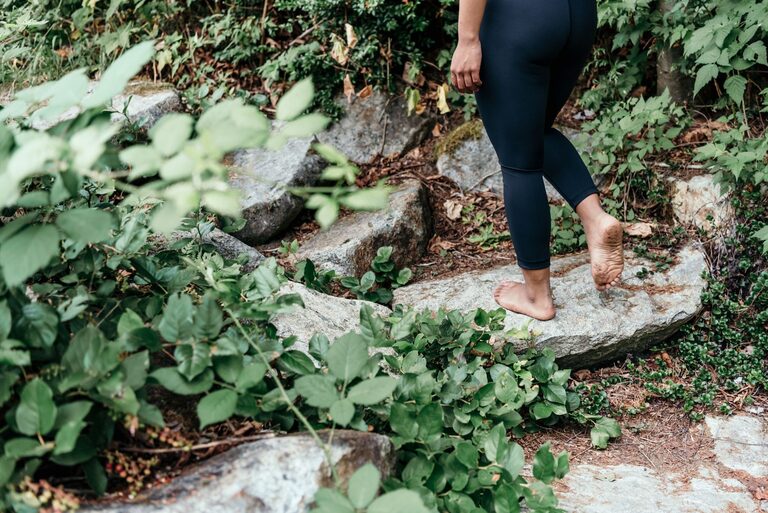
Mindful walking is a gentle practice that combines the simple act of walking with focused awareness. Unlike rushing through your day on autopilot, mindful walking encourages you to slow down and notice each step, breath, and sensation. This beginner guide will help you understand what mindful walking is, why it’s beneficial, and how to start practicing it today.
Mindful walking means paying close attention to the experience of walking. It involves focusing your mind on the physical sensations of moving your body and feeling the ground beneath your feet, while also staying aware of your surroundings without judgment. The goal is to be fully present in the moment instead of letting your mind wander.
This practice comes from mindfulness meditation, which has roots in ancient traditions but has become popular worldwide as a way to reduce stress and improve well-being.
Mindful walking offers many mental and physical benefits, including:
– Reduced stress and anxiety: Focusing on the present helps calm restless thoughts.
– Improved mood: Nature and movement can boost feelings of happiness.
– Enhanced focus and clarity: Mindfulness trains your brain to concentrate better.
– Physical activity: Walking gently exercises your muscles and joints.
– Better body awareness: Noticing sensations helps you connect with your body.
– Improved sleep: Relaxation from mindfulness can lead to better rest.
Starting mindful walking requires little preparation. Here’s what you’ll need:
– Comfortable shoes: Wear supportive footwear suited for walking.
– A quiet place: Choose a safe path like a park, quiet sidewalk, or your backyard.
– Loose clothing: Comfortable clothes help you move easily.
– Time: Set aside 10 to 30 minutes to practice without rushing.
Follow these simple steps to begin your mindful walking practice:
Stand still and take 3 or 4 slow, deep breaths. Feel the air moving in and out of your lungs. This helps you settle your mind before you start walking.
Pay attention to how your feet feel on the ground. Are your heels touching first? What do your legs and hips feel like as they move? Observe any sensations or tension without trying to change them.
Start walking at a slower pace than usual. Focus on each step, feeling the contact of your foot with the ground. You might notice the movement of your muscles and the rhythm of your steps.
Expand your awareness to your surroundings. Listen to the sounds around you, smell the fresh air or flowers, and notice the colors and textures you see. Engage your senses without labeling or judging what you experience.
Your mind will likely drift to thoughts or distractions, and that’s okay. When you notice this, gently guide your attention back to your walking and senses.
After your walk, pause for a moment. Stand still and take a few final deep breaths. Reflect on how you feel compared to before you started walking.
– Start small: Begin with short sessions, like 5 or 10 minutes, and gradually increase.
– Be consistent: Try walking mindfully daily or several times a week.
– Avoid multitasking: Put away phones and avoid conversations to stay focused.
– Choose different routes: Changing your path can keep the practice fresh.
– Combine with meditation: Use mindful walking as part of a larger mindfulness routine.
No, mindful walking differs in that it requires focused attention and presence. Normal walking often happens automatically, while mindful walking is intentional and aware.
Yes, you can practice mindful walking inside, especially in small spaces or hallways. The focus is on awareness rather than location.
It’s natural for your mind to wander. Each time you notice it, gently bring your focus back to your steps and senses without judgment.
Mindful walking is a simple and accessible way to add calm and clarity to your daily life. You don’t need special equipment or training—just your own presence and attention. By incorporating mindful walking into your routine, you can enjoy greater relaxation, improved mood, and a deeper connection to yourself and the world around you.
So, put on your walking shoes, step outside, and try walking mindfully. Give yourself permission to slow down and savor the present moment, one step at a time.